
Rescue Team Helmets, Water Collection
Beyond the Numbers: Understanding Surf Helmet Safety in the Real World
Jul
Helmet safety is an important topic, and any independent research that encourages better protection deserves recognition. Around the world, several laboratories and research organisations evaluate helmets using different testing methods, each designed to answer specific questions about impact performance.
As these independent ratings become more visible through marketing and social media, it is important to understand what they measure—and equally important, what they do not.
The goal of this article is not to criticise any testing organisation or suggest that one method is right or wrong. Rather, it is to provide context so that consumers can make informed decisions based on the environment and activity for which a helmet is designed.
Every Test Measures Something Different
No single helmet test can replicate every accident scenario that may occur in the ocean.
Different laboratories use different impact speeds, headforms, calculations and evaluation criteria depending on the purpose of their research. Some protocols focus primarily on reducing concussion risk during impact, while internationally recognised certification standards evaluate a broader range of performance requirements necessary for marine sports.
For this reason, independent laboratory rankings should be considered as one source of information rather than the only measure of helmet safety.
Why Certification Still Matters
For whitewater and many marine sports, the internationally recognised benchmark remains the EN 1385 certification standard.
Unlike consumer ranking systems, EN 1385 establishes minimum safety requirements that manufacturers must meet before a helmet can be certified for its intended use.
The standard evaluates helmets through a series of controlled impact tests from multiple locations using an instrumented headform, while also assessing additional safety requirements such as retention system performance, field of vision, buoyancy, coverage and other design criteria relevant to marine environments.
Certification standards exist to ensure that helmets provide a consistent level of protection across a broad range of realistic impact scenarios, rather than being optimised for a single test result.
Understanding Concussion Ratings
Some independent helmet evaluations use rating systems that estimate concussion risk based on laboratory impact testing.
One widely discussed methodology was originally developed to study repeated head impacts in American football. When later adapted for whitewater helmets, the calculation was modified to evaluate single-impact events rather than repeated impacts over time. This change in methodology is one reason why greater variability can be observed in ratings between different whitewater helmets.
This does not reduce the value of the research; it simply highlights that the results should be interpreted within the context of the testing protocol for which they were developed.
Consumers should therefore view these ratings as complementary information rather than a replacement for recognised certification standards.
The Ocean Presents More Than One Hazard
Concussion protection is unquestionably important, but it represents only one part of helmet design.
Real-world marine environments expose athletes to many different hazards that are difficult to reproduce within a single laboratory protocol.
These include:
- Impacts from surfboard fins and reef.
- Ear injuries caused by waves or equipment.
- Jaw and facial impacts.
- Helmet retention during heavy wipeouts.
- Multiple impacts during a single incident.
- Hydrodynamic performance in moving water.
- Long-session comfort and stability.
- Exposure to salt water, ultraviolet radiation and temperature changes.
The relative importance of these hazards varies greatly depending on the activity.
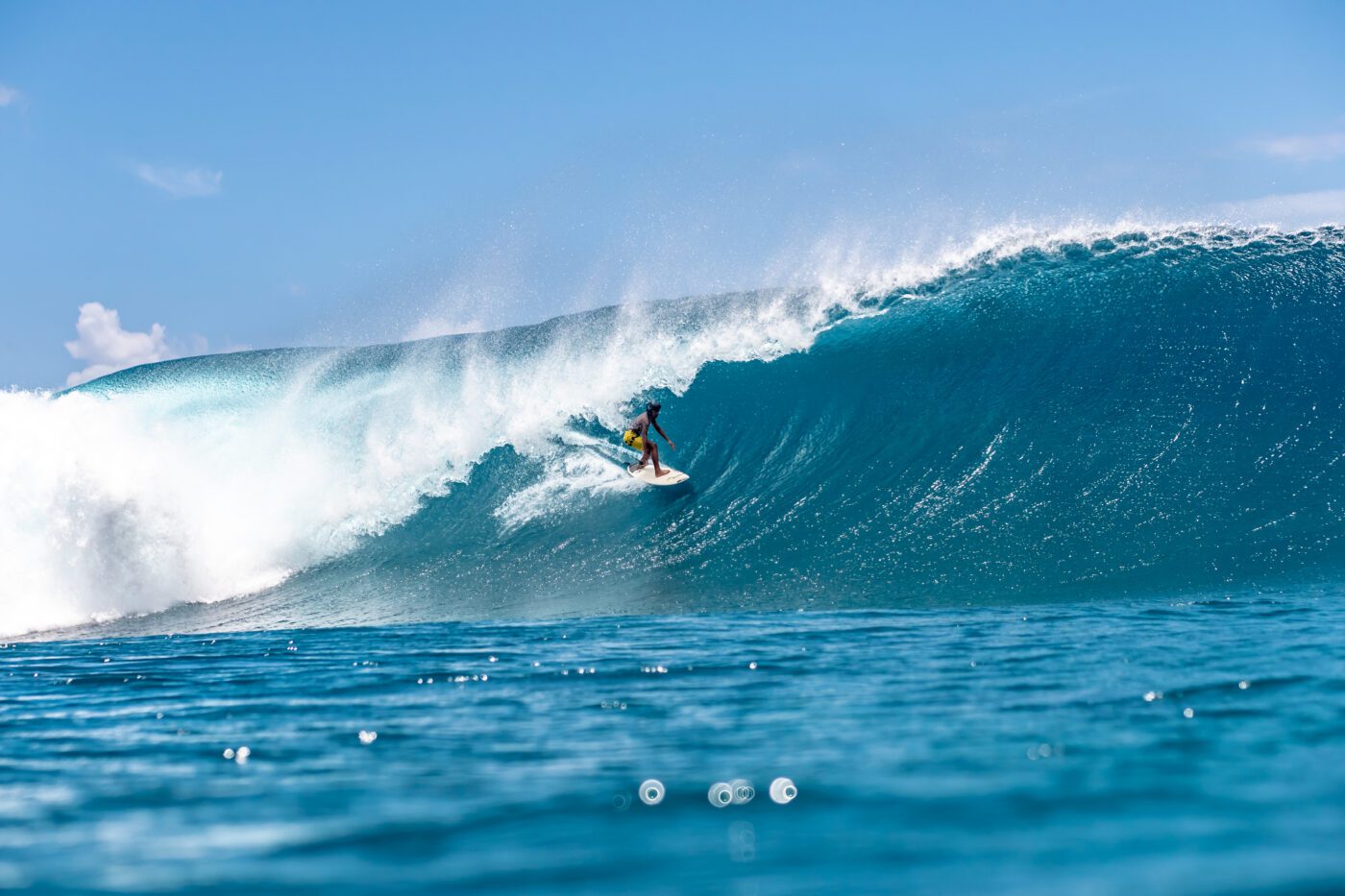
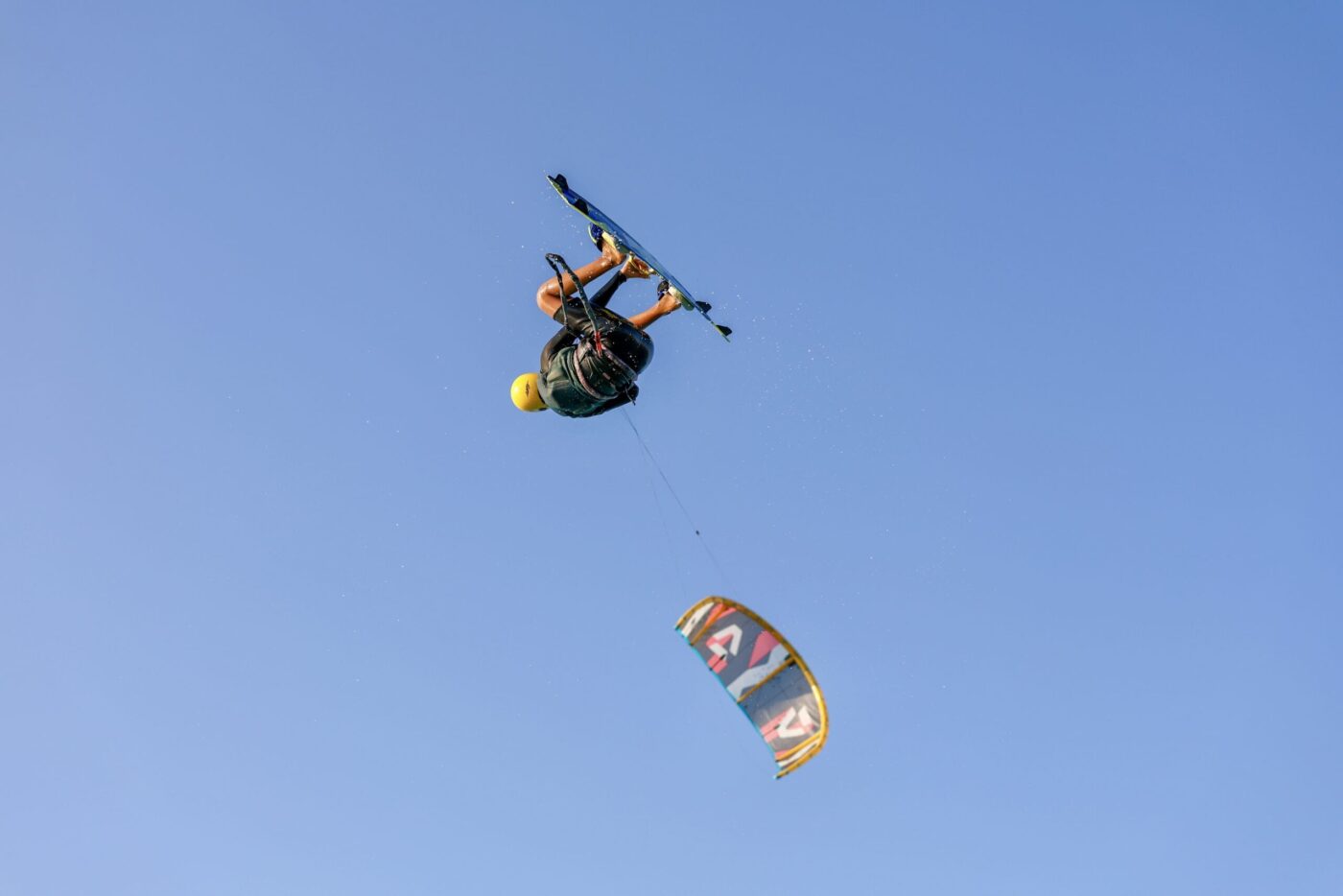
A surfer at Pipeline faces different risks from a windsurfer travelling at 40 knots, a wing foiler offshore, a whitewater kayaker, or a member of a marine rescue team.
For this reason, no single helmet design can perfectly suit every discipline.
Why Different Helmet Models Exist
Every water sport places different demands on protective equipment.
Rather than pursuing a single “one-size-fits-all” solution, manufacturers often develop different helmet models engineered around the specific hazards associated with each activity.
Some users prioritise maximum coverage and protection in shallow reef environments.
Others may require improved hydrodynamics, compatibility with communication systems, or specialised retention for high-speed applications.
Selecting the most appropriate helmet therefore depends on the intended use—not solely on the outcome of one laboratory evaluation.
Engineering for Real-World Protection
Since introducing the world’s first purpose-built surfing helmets in 1989, Gath has focused on designing helmets specifically for marine environments.
This philosophy extends beyond protecting the crown of the head.
Features such as ear protection, jaw coverage, secure retention systems and multi-layer construction are intended to address hazards commonly encountered in surfing and other ocean sports.
Many Gath helmets utilise a rigid external shell combined with an internal energy-absorbing liner. While the outer shell may become damaged during a significant impact, the internal liner continues performing its protective function by managing impact energy.
This layered construction reflects a long-standing engineering philosophy developed through decades of product refinement and feedback from real-world incidents.
Why Product Age Matters
Another important consideration when comparing helmets is manufacturing material.
Materials, polymers, energy-absorbing foams and production methods continue to evolve over time.
Even when a helmet appears visually similar, improvements to plastics, liners, adhesives and manufacturing processes may significantly change its performance.
Likewise, helmets exposed to years of ultraviolet light, salt water and regular use should not be expected to perform identically to a newly manufactured product.
Meaningful comparisons should therefore consider the production age of the helmet being evaluated.
More Than Three Decades of Education
When Gath introduced its first dedicated surfing helmet in 1989, helmet use in surfing was rare and often resisted.
Over the past 35 years, the company has contributed to changing that perception by working with surfers, windsurfers, kayakers, photographers, coaches, rescue organisations and government agencies around the world.
That long-term commitment has helped increase awareness that head protection has an important role in reducing injuries across a wide range of marine sports.
Today, it is encouraging to see more manufacturers entering the market and helping promote helmet use. Every quality helmet worn in the ocean has the potential to reduce the severity of an injury.
As Ric Gath has often said:
“The more helmets in the water, the more lives protected.”

Making Better-Informed Decisions
Independent laboratory testing provides valuable information, and continued research into helmet performance benefits the entire industry.
At the same time, no single protocol can fully capture the complexity of real-world marine environments.
When evaluating a helmet, it is worth considering several factors together:
- Compliance with recognised certification standards.
- Independent laboratory testing results.
- Coverage and protection offered by the design.
- Retention performance.
- Suitability for the intended discipline.
- Product age and condition.
- Long-term engineering history and real-world performance.
Looking at the complete picture allows athletes to choose equipment based not only on laboratory data, but also on the specific demands of the environment in which they ride.
Ultimately, the shared objective across manufacturers, researchers and testing organisations is the same: improving safety and helping protect more people in the water.